Protects the vessel itself against damage or loss from fire, theft, storms, collision, and sinking
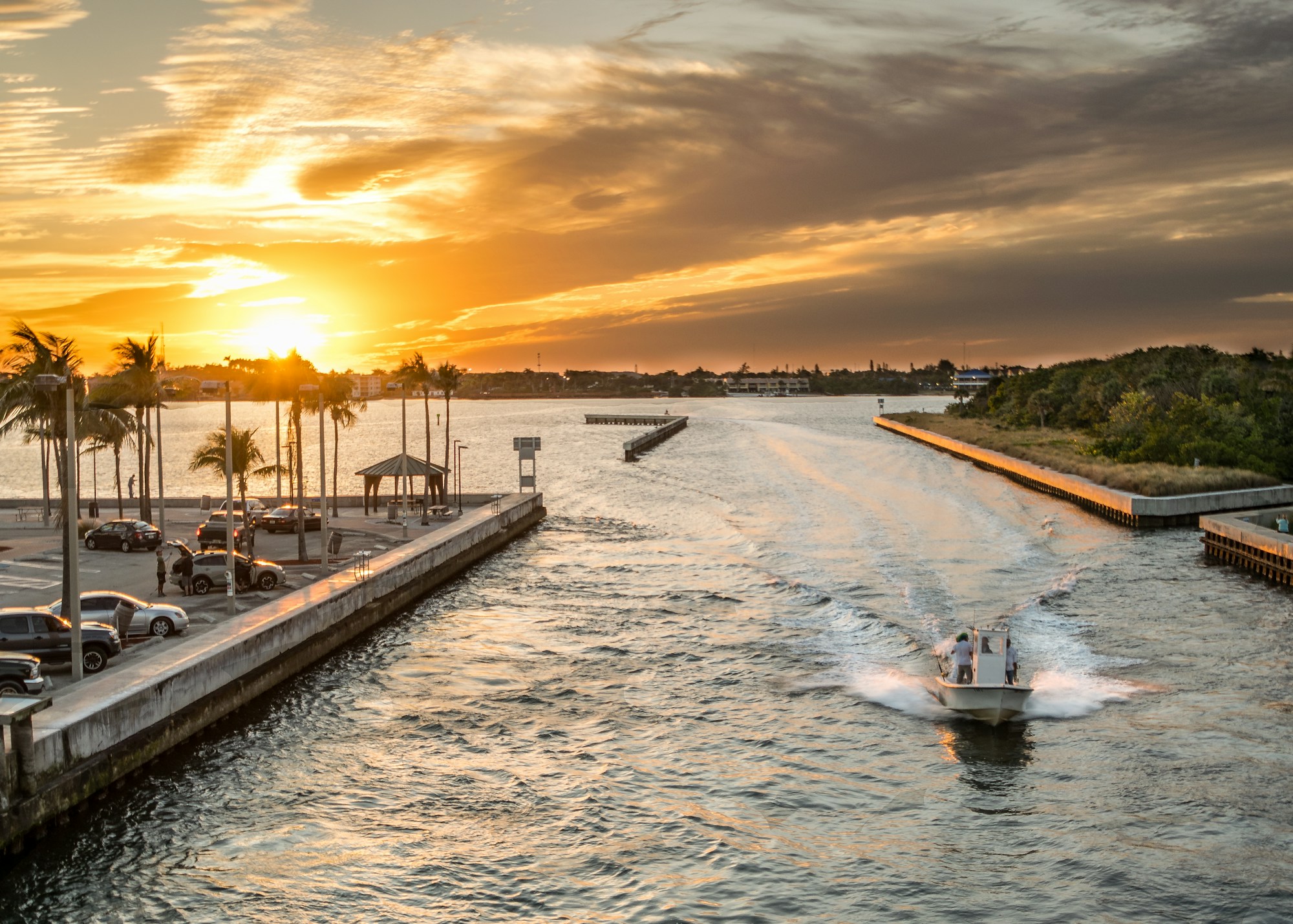
Thinking about taking your boat for a spin in Florida? Picture crystal-clear Gulf waters, warm trade winds, and limitless weekends on the Intracoastal Waterway. Yet beneath that postcard scene lurks a reality: one rogue wake, uncharted sandbar, or unexpected storm can turn a dream outing into a five-figure liability. Comprehensive boat insurance isn’t just a box to tick-it is the only thing standing between carefree cruising and financial shipwreck.
The problem is that many Floridians still underestimate the true cost of boating without adequate coverage. From salvage fees to environmental fines, uninsured incidents escalate quickly, and state statutes allow marinas to deny dockage to vessels that fail to show proof of insurance. Worse, hurricane seasons are intensifying, amplifying both property damage and legal exposure for every boat owner from Pensacola to Key West.
That is why this guide exists. Over the next several sections, we’ll steer you through:
Expect practical checklists, real-world examples, and actionable strategies tailored to 2025’s regulatory landscape.
Our team has distilled insights from veteran underwriters, marine surveyors, and the latest NOAA hurricane data to ensure every recommendation is both authoritative and up to date. By the end, you will not only understand the fine print-you’ll know how to leverage it to protect your vessel, your passengers, and your wallet all year long.
Florida counts more registered recreational vessels than any other state, and that floating paradise comes with serious exposure. From sudden squalls rolling off the Gulf to crowded holiday sandbars, the Sunshine State’s waterways create a perfect storm of perils that make boat insurance Florida owners’ best financial lifejacket.
Even a minor fender-bender at the marina can rack up four-figure fiberglass repairs before lunchtime – and that is before you address medical bills or salvage costs.
The peninsula’s geography, weather patterns, and boating culture combine to generate unique hazards:
Extreme weather swings
High traffic density
Shifting coastal topography
Theft and vandalism
Liability hot spots
| Coverage Aspect | Home/Auto Policy (Typical) | Dedicated Boat Insurance |
|---|---|---|
| Hurricane haul-out reimbursement | None | 3,000 per event |
| Salvage & wreck removal | Limited to vessel’s hull limit, often excluded | Up to agreed hull value plus separate debris liability |
| Pollution liability | Rarely covered | Often $800,000+ mandated by marinas |
| Uninsured boater bodily injury | Not applicable | Mirrors auto UM, protects crew and guests |
| Navigation territory | Restrictive (usually inland only) | Atlantic, Gulf, Bahamas extensions available |
Pro tip: Choose a policy that waives the standard named-storm deductible once you document professional haul-out or secured hurricane straps.
Failing to insure does not just threaten your vessel – it endangers your savings, your credit score, and even your right to operate on shared waterways. When you balance the modest annual premium against the real-world costs of Florida’s marine mishaps, the marine insurance reasons stack up fast. That is why smart skippers treat boat insurance not as an optional upgrade but as essential safety gear, right beside the life jackets and flares.
Picking the right marine policy coverage can feel as tricky as docking in a tight slip during a spring tide. To simplify the process, let’s unpack the main types of boat insurance you will encounter in Florida waters and highlight where each shines or sinks.
Florida does not require boat insurance by law, yet most marinas, lenders, and responsible captains insist on it. A policy’s architecture determines:
Key Insight: A single policy may bundle multiple coverages, but you can (and often should) customize each limit and deductible. Think of it less as a one-size-fits-all life jacket and more as a tailored PFD.
| Coverage Type | What It Protects | Typical Trigger Events | Florida-Specific Considerations |
|---|---|---|---|
| Hull & Machinery (Physical Damage) | Your boat, engine, electronics, and permanently attached gear | Collision, hurricane, theft, vandalism | Hurricane season deductibles generally run 5%-10% of insured value |
| Liability (P&I) | Bodily injury and property damage you cause to others | Dockside accidents, wake damage, fuel spills | Many marinas require 1M minimum before granting slips |
| Medical Payments | On-board injuries to you and your passengers | Slips, falls, propeller injuries | Stacks with personal health insurance but pays faster |
| Uninsured Boater | Injuries caused by a boater with no insurance | Hit-and-run, collision at night | Particularly important on inland lakes where coverage rates are lower |
| Personal Effects | Fishing gear, watersports equipment, cameras | Theft, storm loss | High-end tackle often needs a separate schedule |
| Towing & Assistance | On-water breakdown service and towing to nearest port | Engine failure, grounding | Coastal policies usually include 24/7 Sea-Tow style coverage |
These two pillars are easy to confuse, yet they solve very different problems.
Scope – Pays to repair or replace your own vessel after calamities such as hurricanes, fire, lightning, theft, or vandalism.
Settlement Methods
Typical Deductibles – 1%-3% of the boat’s insured value for everyday claims; separate, higher deducible for named storms.
Extra Perks
Pro Tip: Review the wording on “consequential damage.” Many policies now cover wear-and-tear failures (such as a burst hose) if they lead to a covered loss, a feature rapidly becoming standard after recent hurricane seasons.
Liability (Protection & Indemnity) covers what you owe others when things go sideways:
According to guidance from the Florida Department of Financial Services, liability limits begin at 500,000 to shield home equity and investment accounts.
Modern insurers let you mix essentials:
Industry data from the Insurance Information Institute shows Florida boaters who actively tailor policies save an average 12% annually compared with off-the-shelf packages.
By understanding these policy fundamentals, you’ll navigate quotes with the confidence of a seasoned skipper, ensuring that the only surprises this season are the ones jumping on the end of your fishing line.
Florida’s boating lifestyle is legendary, yet the regulatory landscape often surprises new captains. Unlike auto coverage, the Sunshine State does not impose a blanket boat-insurance mandate; however, several state rules and 2025 legislative tweaks still shape what smart owners buy.
| Regulation | Applies To | Practical Impact | Enforcement Body |
|---|---|---|---|
| Financial Responsibility Rule | Vessels involved in an at-fault accident causing injury or ≥$500 damage | Skipper must prove ability to pay damages, typically via liability policy | Florida Fish and Wildlife Conservation Commission (FWC) |
| Lienholder Requirement | Boats financed through Florida lenders | Comprehensive & collision coverage usually required in loan contract | Private lenders (backed by FL DFS guidance) |
| Marina & Slip Contracts | Boats stored at commercial facilities | Operators may demand minimum $300,000 liability plus salvage coverage | Individual marinas, enforced through contract law |
| Pollution Liability Clause (2025 update) | Vessels ≥26 ft with fuel capacity >100 gallons | New policies must pay for spill clean-up up to $939,800, mirroring federal OPA inflation adjustment | Florida Department of Environmental Protection |
Tip: Even if your boat is under 26 ft, many coastal counties now recommend a $100,000 pollution rider because clean-up bills skyrocket after hurricanes.
Florida’s legislature refrained from making insurance compulsory, but this year’s session produced two important changes:
Storm surcharge cap
Mandatory disclosure form
According to the Florida Department of Financial Services overview, regulators are also auditing carriers for compliance with the new surcharge cap while the FWC emphasizes accident liability awareness in its latest boating safety advisories.
Warning: Failure to show proof of liability after an accident can lead to a vessel impound and suspension of operating privileges until restitution is made.
Paying for boat insurance should never feel like you are bailing water with a thimble. A smart strategy can trim hundreds of dollars from your annual premium without sacrificing the protections your vessel – and wallet – deserve.
Insurers reward owners who treat safety and maintenance as seriously as they treat a day on Biscayne Bay. Before you sign on the dotted line, run through this savings checklist:
Safety Course Completion
Clean Captain Record
Multi-Policy Bundling
Smart Storage Choices
Equipment Upgrades
Pro Tip: Schedule your policy anniversary for April or May. Many Florida carriers adjust base rates upward at the start of hurricane season on June 1, so locking in beforehand can preserve a lower tier for 12 months.
| Discount Type | Average Savings | Eligibility Highlights |
|---|---|---|
| Safety Course | 5-20 percent | State-approved certificate, renewed every 3-5 yrs |
| Claim-Free | 10-25 percent | No losses for 36+ months |
| Multi-Policy | 15-25 percent | Bundle with home, auto, or RV |
| Protective Devices | 3-10 percent | GPS, alarm, automatic fire system |
| Lay-Up Period | 5-7 percent | Boat out of use 60-90 days (often Dec-Feb) |
Staying proactive pays off. Re-shop your coverage every two to three years, document improvements, and keep your boating résumé spotless. With those habits, you will consistently secure the most competitive boat insurance Florida rates while enjoying every nautical mile of the Sunshine State’s coastline.
Ready to cast off with confidence? Everything you just learned about Florida boat insurance becomes even more powerful when you partner with a provider that actually makes coverage simple. That’s where Bimini comes in. Instead of forcing you to navigate a maze of exclusions and hidden fees, Bimini translates the statutory requirements, storm risks, and liability nuances we covered into clear, customizable plans built for your exact vessel and lifestyle.
Here’s how to turn today’s insights into real-world protection:
Tip: Most Florida lenders now require both physical damage and wreck removal coverage before funding a vessel purchase. Lock these in during the quote to avoid closing-day surprises.
Still weighing the options? Contact a marine insurance broker for personalized advice and ask them to benchmark Bimini’s policy against any competing quote. Because the carrier is laser-focused on recreational watercraft, you’ll see fewer gray areas, faster claim resolution, and a customer support team that actually knows the difference between a lazarette and a livewell.
Don’t let another weekend on the Gulf slip by unprotected. Secure the coverage you need in minutes, then point the bow toward your next adventure-Bimini will handle the rest.
Florida law does not mandate boat insurance for private recreational vessels, but marinas, lenders, and some coastal municipalities often require proof of liability coverage. Skippers who finance their boats will usually need comprehensive and collision insurance to satisfy the lender’s clause. Even if you own your boat outright, carrying at least $300,000 in liability and medical payments coverage is strongly recommended to protect your assets and avoid out-of-pocket costs after an accident. Remember that coverage is also essential for damages you cause while towing your vessel on Florida’s busy highways.
Most homeowner policies include only very limited boat protection-typically capping liability at $1,000 and covering vessels under 26 feet with small horsepower engines. This token coverage does not address critical risks like hurricane damage, wreck removal, or pollution liability, all of which are common in Florida. A dedicated boat insurance policy allows you to tailor hull limits, add-on hurricane haul-out reimbursement, and opt for agreed-value settlement so you receive the full insured amount after a total loss rather than a depreciated cash value.
Start by completing a recognized boating safety course; most carriers offer 5-10% discounts for certified training. Installing modern safety gear-EPIRBs, GPS trackers, automatic fire suppression-can shave additional dollars off your rate. Choose a higher deductible that you can comfortably afford, bundle your boat with home or auto policies for multi-line savings, and store your vessel in a hurricane-rated dry stack during storm season. Finally, review your policy annually to remove unnecessary riders and ensure valuation accurately reflects any depreciation or upgrades.
Navigating boat insurance in Florida is equal parts art and compliance science. The Sunshine State’s expansive coastline, year-round boating season, and evolving risk landscape demand coverage that is both flexible and firmly rooted in state rules. According to guidance from the Florida Office of Insurance Regulation, policymakers continue to tighten underwriting standards around liability and storm-related claims, while the state’s statutes outline minimum financial responsibility for personal-watercraft operators through 2025 on Online Sunshine’s legislative portal. The upshot? Picking a policy is no longer just about price-understanding fine-print exclusions, navigation limits, and salvage clauses now directly impacts both your wallet and your time on the water.
